welcome
philosophy
Come to the dark academia side, we have ✨existential dread✨
In Western philosophy, we have historically focused a lot on death as something that brings meaning to life.
This suits me, because I am a goth, but a while ago I found myself wondering whether this is the full story.
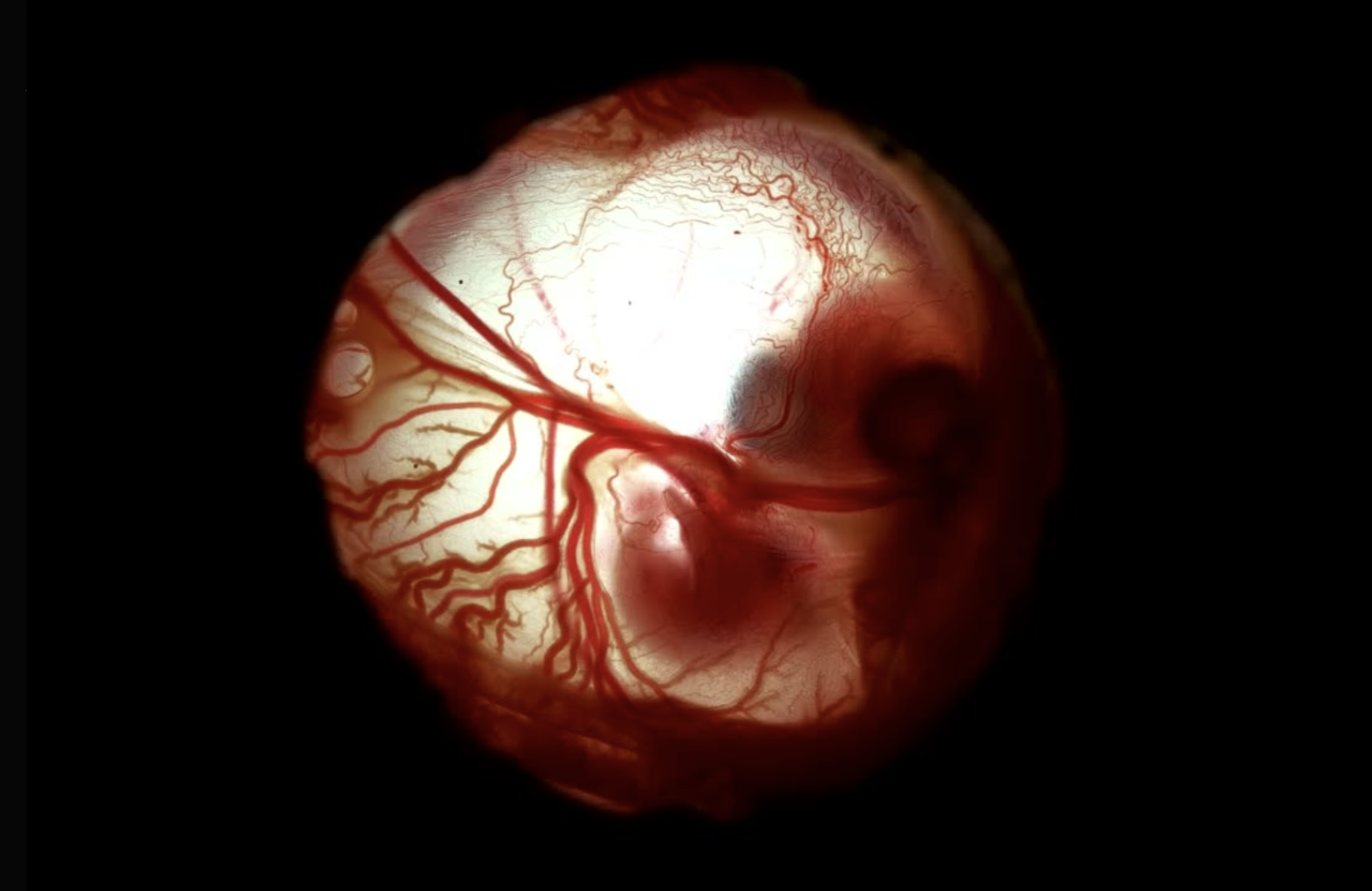
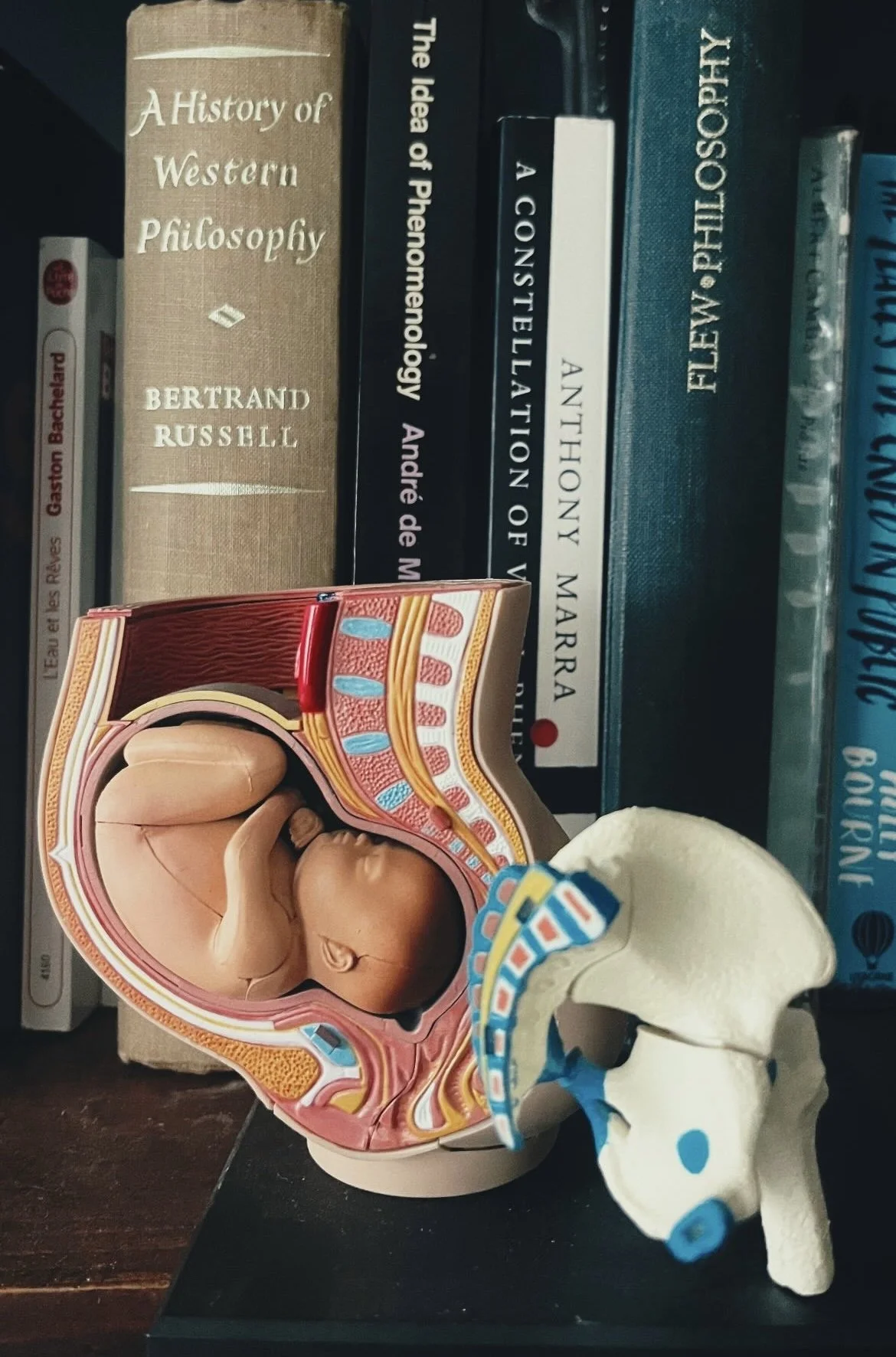
The argument roughly goes: life is meaningful because it is finite; death is what makes life finite; therefore, death is what makes life meaningful. But finite things have two ends: death, yes, but also birth.
Could it be, therefore, that we have focused so much on the existential implications of our relationship with death that we have forgotten to consider how our relationship with the beginning of life impacts our ways of being in the world?
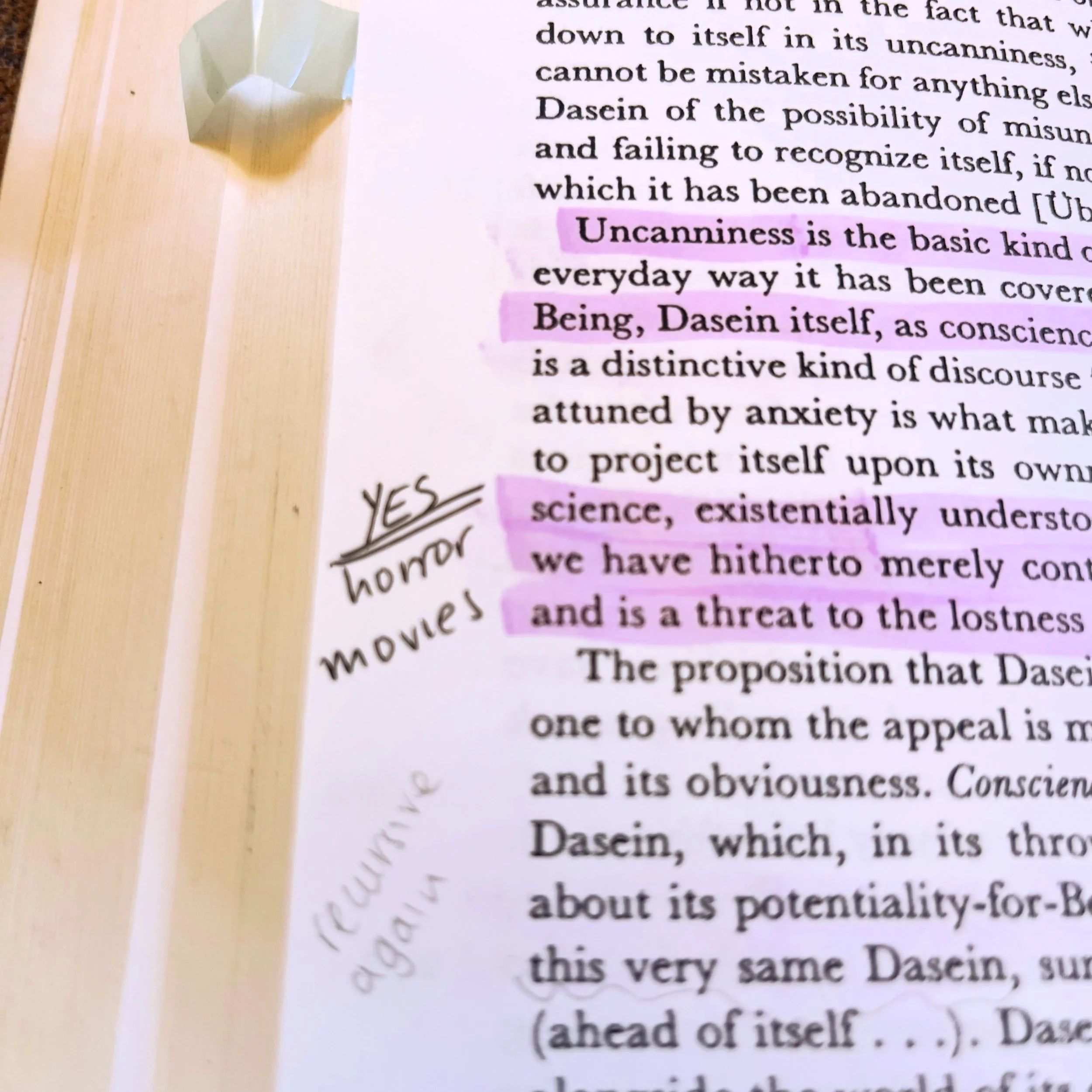
That’s what I’m setting out to explore. Looking at concepts such as Heidegger’s Dasein; uncanniness, horror and absurdity; in-between-ness; and what it means to be a self, I am looking at the ontological significance of pregnancy and childbirth.
My research is funded by the Arts & Humanities Research Council and I’m based at the universities of Southampton and Cardiff.
trauma psychology
As a survivor of child sex trafficking rings, including one that involved torture and another where children were forced to engage in the creation of CSAM (images and videos), I know what it is like to live through some of the darkest horrors.
Yet somehow I found meaning. I knew from a very young age that I wanted to get out and build a life for myself one day, and I’ve managed to do that. I’m proud of it, but it hasn’t been easy, and the world we live in makes it even harder than it needs to be.
I am trying, bit by bit and in my own little corner of the world, to make things better for other people who have gone through awful things. I do that in the following ways.
“Be the person you needed when you were younger.”
I work with a few different research teams in areas relating to childhood trauma, both as a researcher and as a study participant.
The two studies I’m currently involved in are about the aftermath of childhood trauma and how we live with it in different ways throughout our lives.
I’m looking at ways medical professionals could be taught some basics of trauma and post-traumatic symptomatology to help them to understand how working with people who have lived through childhood abuse can require a different skillset than working with the general population.
I’m also a participant in a research project which is studying how sexual abuse survivors view ‘recovery’ throughout their lives: whether it’s possible, what it means, and how it changes over time.
“The most beautiful souls are those who walked out of the fire, then returned with water for those still in it.”
I’ve had several different therapists over the years, ranging from the very bad to the very good and everything in between. I know, therefore, how helpful good therapy can be, and how harmful it can be when you end up with a therapist who just doesn’t get it.
I trained at Regent’s University in Existential Psychotherapy & Counselling (MA, PGCEP), completing my training placement within an NHS clinic that specialised in working with people who had survived childhood sexual abuse.
I’m currently not taking on new clients although this may change in the future. In the meantime, I’m putting together some resources for people who are seeking therapy, because it can be really confusing trying to wade through all the descriptions and modalities when really all you want is someone to understand and take you seriously.
“Inside us there is a word we cannot pronounce, and that is who we are.”
I feel like I’ve spent more time than most navel-gazing and wondering about my place in the world. I’ve always felt a strong desire to make my childhood experiences feel “worth it,” somehow; like I’d be able to take the horrible things I’ve been through and use them to make things even a little bit easier for someone else.
The older I get, the more I think it’s important for all of us, if we feel able, to tell our stories. Being a therapist has taught me that so many people think they’re alone in experiences that actually are much more common than we realise. Being a philosopher has given me ample chance to think about the meaning of life. What’s the point of being here in the first place if we’re not going to leave things a little bit better than we found them?
In today’s world that’s hard, I know. But in the essays I write and the podcast I produce, I’m hoping to learn to pronounce my own inner word, and maybe in the process help other people to work out theirs.
other stuff
If you’d like to support my work, you can become a supporter on Substack or buy me a one-off treat on Ko-Fi.
I’m a Diversity & Inclusion Advocate for the Arts & Humanities Research Council’s South West & Wales Doctoral Training Partnership. That’s a long title which basically just means I’m part of a steering group that’s trying to make postgraduate education, especially PhDs and post-docs, more accessible for people who have historically been excluded.
I have an Etsy shop where I offer tarot readings, palmistry and astrological charts, and also make necklaces, malas and charms in the traditions of my people.
I have a few mini-projects going on alongside my main work, including:
The Guinea Pig Diaries, a blog series which talks about what it’s like being a participant in a clinical trial;
Things That Are Supposed To Work For Disabled People… But They Don’t, a TikTok series which looks at how accommodations might theoretically tick all the inclusivity boxes but not work in practice;
and a YouTube channel where I periodically post talks I’ve done at philosophy conferences.
find me elsewhere
I’m @chindilani on all the socials.
I have some podcast playlists on Spotify for various topics including philosophy, psychology and film.
Otherwise, feel free to fill in the contact form and I’ll get back to you when I can.